

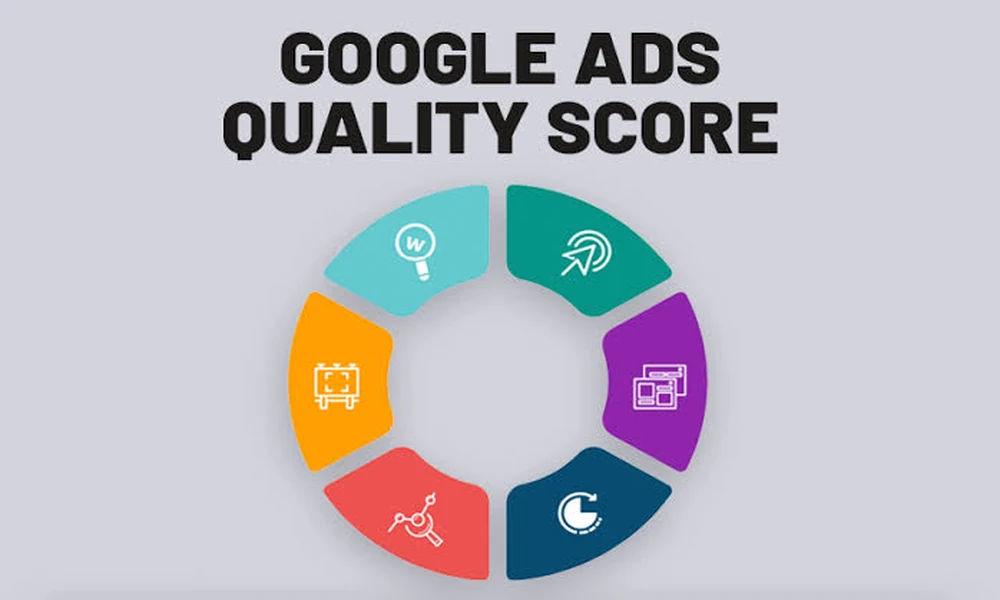
Two plumbers can bid the same amount on the same keyword, yet one appears higher and pays less per click. The difference is often not budget but quality. Google Ads quality score is one of the most misunderstood parts of paid search, and understanding it can change how a home service business spends its advertising money. In a busy market like San Diego, that matters even more.
What Is Google Ads Quality Score?
Google Ads quality score is a diagnostic rating that estimates how relevant and useful your ad, keyword, and landing page are to the person searching. It appears at the keyword level inside the advertising account and acts as a signal of how well your campaign matches search intent.
It is not a direct ranking factor on its own, and it is not the exact formula Google uses at auction time. Instead, it summarizes the underlying factors that influence performance. Think of it as a health check that tells you where your campaign may be falling short.
Why Does Quality Score Matter for Advertisers?
Effective Google Ads Management starts with quality, because it affects how often your ads show, where they land on the page, and what you pay for each click. Google looks at far more than your maximum bid when choosing which ads to display. Ads that are relevant and genuinely useful can win stronger positions at lower costs than ads that don’t match what people are searching for.
For local businesses, this matters even more, since competition is fierce and budgets are tight. With smart Google Ads Management, improving quality can bring in more calls without raising your spend, because every dollar you invest simply works harder.
What Are the Three Components of Quality Score?
Google evaluates three main elements.
Expected click-through rate: How likely it is that people will click your ad when it appears for a given keyword. This is a prediction based on past performance and relevance.
Ad relevance: How closely your ad text matches the intent behind the search. If someone searches for emergency water heater repair and your ad talks about general home improvement, relevance suffers.
Landing page experience: How useful, trustworthy, and easy to use the page is after the click. Clear content, fast loading, mobile friendliness, and an obvious next step all contribute.
Each component is typically described as below average, average, or above average, which helps you identify where to focus.
How Does Quality Score Affect Ad Rank and Cost Per Click?
Ad rank determines the position of your ad. It combines your bid, the quality of your ad and landing page, the expected impact of extensions and other formats, and the context of the search. When quality is strong, you can often hold a competitive position without bidding as aggressively.
Cost per click is influenced by the same factors. A higher-quality ad may pay less than a competitor who bids more but offers a poorer experience. Over time, steady improvement in quality can reduce wasted spending and increase the number of qualified leads.
Where Can You See Quality Score in a Google Ads Account?
Quality score is available in the keyword reporting view, where you can add columns for the overall rating and for each of its three components. Reviewing these columns helps you decide where to make changes.
Treat the information as directional rather than absolute. A keyword with a low rating and strong conversions may be worth keeping, while a keyword with a high rating but no leads may need review. The ultimate measure of success is calls, form submissions, and booked jobs.
Why Is Quality Score Especially Important for Home Service Businesses?
Home service searches are specific and urgent. People look for plumbers, electricians, HVAC technicians, roofers, and locksmiths when something is broken or when they are planning a project. Search terms are often detailed, such as a service plus a problem plus a location.
These businesses compete in a crowded, high-intent space. A San Diego HVAC company, for example, may bid on air conditioning repair searches in Chula Vista while a competitor targets Escondido, so location relevance is essential. A tight match between the search, the ad, and the page is critical. When a homeowner is searching for a burst pipe, a generic page about the company’s history will lose to a focused page that explains emergency service and offers a phone number.
How Can Home Service Advertisers Improve Expected Click-Through Rate?
Strong home services marketing depends on ads that feel relevant and engaging, because that’s what drives clicks. To improve your click-through rate:
- Writing headlines that mirror the language people use when searching.
- Including the service, location, and a clear benefit, such as same-day availability.
- Using extensions such as call buttons, location details, and service highlights.
- Testing several versions of ad copy and keeping the stronger ones.
- Removing keywords that attract irrelevant searches.
Avoid clickbait. A misleading ad may attract clicks but harms the landing page experience and wastes money.
How Do You Improve Ad Relevance?
Relevance is largely a matter of structure. Group closely related keywords together so each ad group focuses on a single theme. For example, separate drain cleaning, water heater repair, and leak detection into different ad groups, each with its own ads.
Then make the ad copy reflect that theme. When the searcher sees their exact need reflected in the headline, the ad feels like the answer. Negative keywords also help, since they prevent your ad from appearing for searches that do not match your services, such as jobs, free advice, or unrelated products.
How Can a Landing Page Experience Support Better Quality?
The landing page should continue the promise made in the ad. If the ad mentions emergency electrical repair, the page should address emergency electrical repair, not display a general homepage.
A strong landing page for home services typically includes:
- A headline that matches the search and ad.
- A prominent click-to-call button and a short contact form.
- Clear information about services, service areas, and availability.
- Trust signals such as licenses, insurance, and genuine reviews.
- Fast loading and easy navigation on mobile devices.
A page that is simple, honest, and easy to act on typically performs better than one crowded with distractions.
What Role Do Keywords and Match Types Play?
Broad, loosely targeted keywords can bring in searches that do not match your offering, reducing click-through rate and relevance. Narrower targeting helps align the ad with true intent. Review search term reports regularly to see what people actually typed before clicking, then add negative keywords for irrelevant terms and create new ad groups for valuable ones.
Regular refinement is more effective than setting up a campaign and leaving it untouched.
What Are Common Quality Score Myths?
- Myth: Quality score is the only thing that matters. It is a diagnostic tool, not the goal. Business outcomes matter most.
- Myth: Improving it requires constant bid changes. Quality depends on relevance and experience, not just money.
- Myth: One perfect ad solves everything. Testing and ongoing optimization are essential.
- Myth: Landing pages do not influence it. The page experience is a core component.
How Often Should a Business Review Quality Score?
Check it as part of regular campaign reviews, such as monthly. Look for keywords with weak components, search terms that waste spending, and pages that need updates. Make changes gradually and measure results, rather than altering everything at once.
Seasonal shifts matter too. Heating services and cooling services attract different searches throughout the year, and campaigns should adapt accordingly.
What Mistakes Should Home Service Advertisers Avoid?
- Sending all traffic to the homepage regardless of the search.
- Stuffing many unrelated keywords into one ad group.
- Ignoring mobile users, who often make the call from their phones.
- Neglecting to review search terms and add negatives.
- Chasing a high rating at the expense of real leads.
Final Thoughts on Google Ads Quality Score
Google Ads quality score reflects how well your ads, keywords, and landing pages serve the person searching. By organizing tight ad groups, writing relevant ad copy, building focused landing pages, and reviewing performance regularly, home service businesses can improve visibility, lower wasted spending, and attract more calls from customers who are ready to hire.
Businesses that want hands-on support can explore professional Google Ads management services, or learn more about home services marketing strategies built for San Diego trades.
