

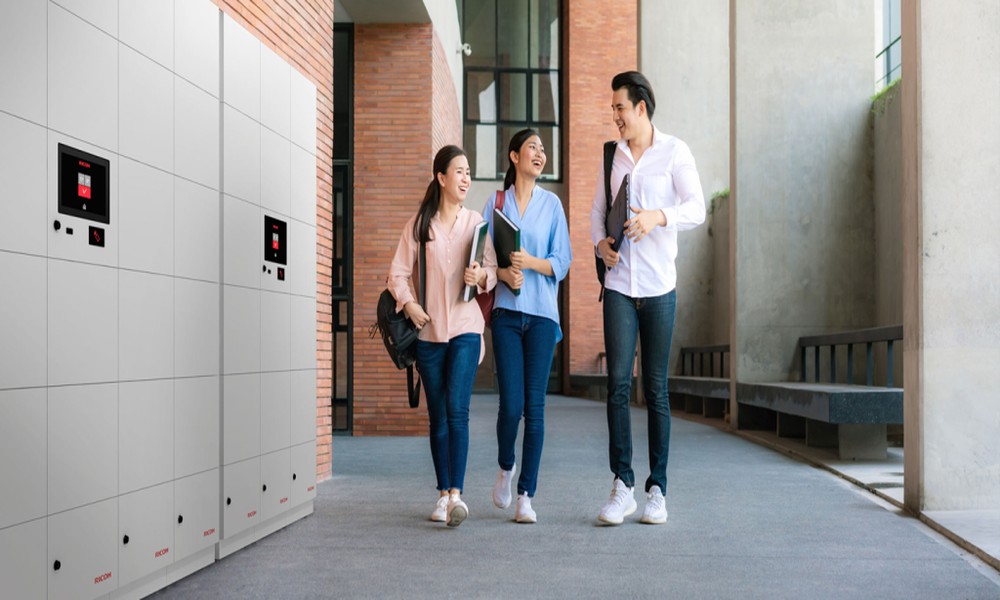
Student locker systems in K-12 educational facilities serve both storage and organizational functions that affect daily student life quality and school culture. Locker system specification decisions, including material durability, lock type, ventilation, and ADA accessibility, have operational implications spanning 20 or more years from the initial installation.
The evolution of student device usage, with many students carrying laptops and tablets in addition to textbooks, has changed the storage configuration requirements for student lockers. Wider shelf configurations and charging accommodation provisions are increasingly incorporated into educational locker specifications to meet current student storage needs.
What Security Features Address Educational Facility Concerns
Educational facility locker security requirements include resistance to unauthorized entry, durability against physical attack, and in some applications, the ability for facility administrators to access lockers during emergency situations. Built-in combination locks with master key override provide the balance of student security and administrator access that most educational environments require.
Locker door latching systems that resist forced entry without requiring high-security hardware reduce the probability of locker vandalism while controlling the cost differential compared to standard commercial locker hardware. Slam-latching systems that do not require deliberate closing force reduce the locker door abuse that generates the majority of locker damage events.
How ADA Requirements Affect Student Locker Installations
A percentage of student lockers in educational facilities must meet ADA accessibility requirements, including operable hardware that can be used with a closed fist, mounting heights within the accessible reach range, and clear floor space at accessible lockers. Specifying lockers and storage for commercial facilities from a manufacturer with documented ADA-accessible locker configurations and the dimensional specifications needed to verify compliance simplifies the design review process and ensures that the required accessible provisions are provided in the initial installation.
What Locker Material Selection Means for Educational Facility Service Life
Educational facility student lockers are exposed to the same vandalism risk, chemical exposure from cleaning agents, and physical abuse conditions as other institutional furniture. Cold-rolled steel with durable powder-coat finish is the standard material for educational locker construction, with finish durability being the primary variable that differentiates product tiers.
How Locker Configuration Relates to School Culture and Behavioral Research
Research on school culture and locker design finds that locker areas with adequate natural lighting, clear sight lines for supervision, and locker dimensions appropriate for student storage needs produce lower locker-related behavioral problems than poorly designed locker areas with concealment opportunities and inadequate storage capacity.
Student locker system specification for educational facilities requires a long-term view that accounts for service life expectations, evolving student device storage needs, ADA compliance requirements, and the relationship between locker area design and school culture outcomes. Decisions made at initial specification determine the operational characteristics of locker facilities for the full decades of their service life.
